Copyright © All rights reserved. Made by Herbal Essence. Terms of Use | Privacy Policy




HOME
ABOUT US
SERVICES
CONTACT US





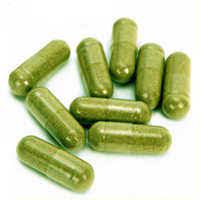
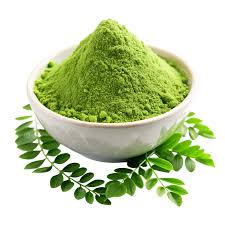








Moringa powder is a nutrient-
leaves of the Moringa oleifera tree. It's known for its high protein
content, vitamins (especially B6 and C), and various antioxidants, including
quercetin and chlorogenic acid. Moringa powder is often used as a dietary
supplement, added to smoothies, or incorporated into various dishes to
boost nutritional intake.
Key features and benefits:
Nutrient-
Antioxidant-
Versatile: Can be easily added to smoothies, juices, yogurt, stews, and other dishes.
Potential health benefits: May support blood sugar regulation, boost energy levels, and aid in digestion.
Plant-
Mild flavour: Has a mild, slightly peppery taste that blends well with various foods and beverages.
Storage: Should be stored in a cool, dry place in an airtight container to maintain its freshness and potency.
What is the benefit of taking Moringa powder?
As an antioxidant, it seems to help protect cells from damage. Moringa might also help decrease inflammation and reduce pain. Moringa is used for asthma, diabetes, breast-
What happens if I take Moringa every day?
Regular consumption of Moringa leaves can help to relieve constipation, bloating, gas, and gastritis. Antibiotic and antimicrobial properties in Moringa leave make it the best ayurvedic solution against digestive disorders.
What to avoid when taking Moringa?
Some things to be cautious of: Moringa can possibly interact with diabetes, blood pressure and thyroid medications. Hence, it would be pertinent to ask your doctor if it is safe to take Moringa if you are taking such medications. Moringa Vinga only uses 100% USDA organic Moringa leaves at clinically effective dosages.
What does Moringa powder do to a woman's body?
The tree, also known as the “drumstick tree” has been cultivated for centuries for its health benefits, which range from wound healing to managing blood glucose. There is growing research on Moringa benefits for women; it may aid with anemia, bone health, menopause and lactation.
What happens when you drink Moringa every morning?
Help detox. Moringa also has natural detoxifying properties which supports the liver and kidney on detoxifying the body effectively. It can also boost your energy level and reduce the ill effects of caffeine addiction and the withdrawal symptoms when weaning off caffeine.
Can Moringa reduce belly fat?
While some studies suggest Moringa may contribute to weight loss and reduce fat, including belly fat, in animals, there's no conclusive evidence to support these claims in humans. Moringa can be a healthy addition to a balanced diet due to its nutritional content, but it shouldn't be relied upon as a primary weight loss solution.
What is the bad side effect of Moringa?
Side Effects-
Is it better to take Moringa in the morning or at night?
Taking Moringa at the right time can make a significant difference in terms of benefits. For energy and focus, the Moringa is best: for appetits control: take it before meals; for muscle recovery, consume it after physical activity; and for immune support, take it in the evening.
How many spoons of Moringa powder per day?
A daily intake of 1-
Does hot water destroy Moringa?
If I heat Moringa powder will it lose its nutrients? As with most foods, heating Moringa powder can lead to a reduction of nutrients, particularly the vitamins, however as Moringa is so nutrient-
How long does it take for Moringa to start working?
If you want relief from low energy or have trouble sleeping, Moringa can help within minutes, as long as you take it on an empty stomach. Allergy relief typically takes about an hour. At the other end, you'll have to take Moringa for 3 months before it starts to lower your cholesterol.
Why do I feel sick after drinking Moringa?
Feeling sick after drinking Moringa can be attributed to several factors, including a high intake of the plant, potential digestive issues, or allergic reactions. Moringa contains compounds that can cause gastrointestinal distress if consumed in large amounts. It's also possible to have an allergic reaction, especially if you're sensitive to the plant.
Here's a more detailed explanation:
1. Digestive Issues:
Moringa contains phytates and other compounds that can interfere with digestion, particularly if consumed in large quantities.
It can lead to stomach upset, nausea, heartburn, and diarrhea.
The high fiber content can also cause bloating and digestive discomfort, especially when increasing intake quickly.
2. Allergic Reactions:
Some individuals may be allergic to Moringa, and it's important to be aware of potential symptoms like difficulty breathing, itchy skin, and swelling.
These reactions can be more severe if the root, bark, or extract are consumed, as they contain toxic compounds, according to Tua Saúde.
3. Other Factors:
Inadequate Preparation: Moringa, like many plants, is not always safe to consume in raw form. Cooking, fermentation, or sprouting can help reduce the amount of harmful compounds.
Medications: Moringa may interact with certain medications, particularly those metabolized by the liver, according to WebMD.
Individual Sensitivity: Like any food or supplement, Moringa can cause adverse reactions in some individuals even at low doses.
If you're experiencing any side effects after consuming Moringa, it's important to:
Stop consumption: Cease using Moringa until your symptoms subside.
Consult a healthcare professional: If symptoms are severe or persistent, seek medical advice.
Start slowly: If you plan to resume using Moringa, start with small amounts and gradually increase your intake to assess your tolerance, according to Signos.
What are the hidden benefits of Moringa?
Moringa contains a range of antioxidant and anti-
Anti-
Anti-
Anti-
Anti-
Anti-
Reduces Cholesterol
Strengthens Immune System
Improves Brain Function
Improves Digestion
Rich in Anti-
Moringa Contains:
92 Nutrients, 46 Anti-
36 Anti-
10X the Vitamin A of Carrots 4X the Calcium of Milk
25X the Iron of Spinach 15X the Potassium of Bananas
7X More Vitamin C than Orange 9X the Protein of Yogurt
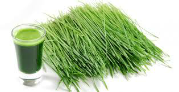
12 The Vitamin E of Almonds 4X the Chlorophyll of Wheat Grass
4.5X Vitamin E than Wheat
| Moringa |
| Turmeric |
| Cayenne Pepper |